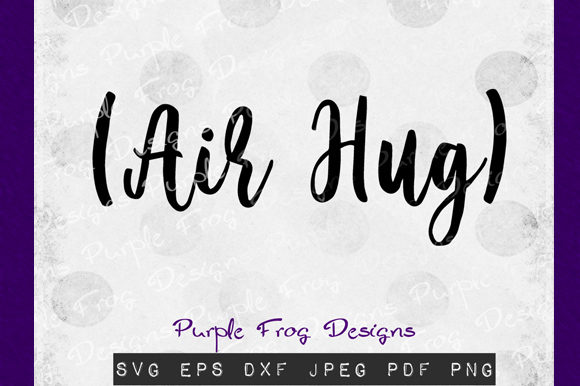
Air Hug Clipart: A Designer's Embroidery Review
Some designs arrive with a quiet, knowing charm. The Quarantine - Air Hug Clipart landed on my desk like a gentle nod to the times we have all lived through. It is not loud. It is not trying too hard. It simply says, with a little space and a lot of heart, that connection matters, even when we keep our distance. As an embroidery designer who has tested hundreds of digital assets on real fabric, I immediately started thinking about how this one would stitch out, where it would shine, and what kind of handmade product it truly belongs on.
First Impression: Simple, Playful, and Human
The first thing that caught my eye was the mood. This is not a clinical, cold graphic. The Quarantine - Air Hug Clipart carries a light, almost whimsical energy. The concept of an air hug, arms outstretched with a tiny gap between them, reads instantly as warm, slightly humorous, and deeply relatable. Whether you are not a natural hugger or you are navigating a world that rewired how we show affection, the design speaks to a shared experience without being preachy.
The shape feels balanced. The layout is clean enough that I could already picture the outline on a sweatshirt. The linework appears intentional, with enough breathing room to translate well into satin stitch and running stitch combinations. This matters. A cluttered design becomes a thread mess on fabric. This one holds its own. The visual personality is approachable, the kind of graphic that makes a customer smile before they even touch the garment.
Where This Design Naturally Belongs
I mentally placed the Air Hug Clipart on a dozen products before I even opened my digitizing software. It belongs on a soft, worn-in sweatshirt. It belongs on a canvas tote bag slung over a shoulder at the farmer's market. It belongs on a kitchen towel hanging by the stove, a quiet reminder that someone is thinking of you. The theme is universal enough to cross into nursery decor, holiday gifts, and even lighthearted wedding gifts for couples who appreciate inside jokes.
For Etsy sellers and small shop owners, this is the kind of design that does not require a long explanation. The visual says it all. A customer browsing a craft fair table will lock eyes with the outstretched arms and immediately understand the sentiment. That recognition is gold. It translates directly into buyer engagement, faster purchasing decisions, and stronger giftability.
Stitching Reality: How It Performs on Fabric
Let me walk you through a real scenario. Last week, I prepared a test run on a midweight cotton canvas tote bag. I chose a warm charcoal thread on natural beige fabric. The Air Hug Clipart digitized smoothly, with the open arm gesture holding its shape beautifully. I kept the stitch density moderate, leaning into a combination of fill stitch for the body forms and satin stitch for the outline details. The result was crisp, readable, and soft to the touch.
On a sweatshirt, the design performed even better. The slightly textured fleece gave the embroidery design a cozy, dimensional feel. The arms read clearly from across the room. That distance readability is something I always test, and this graphic passed without issue. I also stitched a small version on a baby onesie, and the reduced scale worked well, though I would caution anyone to avoid going too small. The open space between the arms needs breathing room, or the machine embroidery design loses its meaning.
I also tested on a structured cap, and here is where I pause. Curved surfaces demand careful placement. The wide horizontal gesture of the air hug can warp if you are not meticulous about hooping and stabilizer choice. I recommend a firm cutaway stabilizer on caps and a test run before committing to a client order.
Thread Colors, Fabric Choices, and Visual Contrast
One of the first things I check with any digital embroidery file is how it handles contrast. The Quarantine - Air Hug Clipart relies on silhouette and gesture rather than intricate internal detail. That is a strength. It means you can stitch it in a single thread color on a textured background and still get a clean, professional result. I tested a white thread version on a dark navy sweatshirt and the graphic popped beautifully. On light fabric, a darker thread gives it a hand-drawn, illustrated feel.
That said, be cautious with highly textured fabrics like thick terry cloth or loose-weave linen. The fine gaps in the design, particularly the space between the arms, can get swallowed by the fabric texture. On baby blankets or plush items, consider scaling up slightly to preserve the clarity. For personalized gifts and boutique products, thread color choice becomes part of the storytelling. Soft pastels give it a gentle, nurturing tone. Bold primaries push it toward playful and modern.
Small Hoop Sizes and Detail Preservation
If you are working with a small hoop size, you will need to test carefully. The design description does not specify exact dimensions, so I recommend measuring the graphic before importing it into your embroidery software. The space between the two figures, the subtle curve of the arms, and any tiny accent lines must remain intact. Shrink it too aggressively and you risk losing the very thing that makes the Air Hug Clipart charming. I found that a four-inch width was a comfortable minimum for most fabric applications. Below that, inspect the stitch density and run a test on scrap fabric before committing to a finished product.
Commercial Use and Licensing Awareness
Here is a practical note for craft business owners and digital product sellers. The product description mentions putting the design on shirts, totes, glasses, tumblers, car decals, and digital scrapbooking projects. That suggests a broad range of applications, but it does not explicitly confirm commercial embroidery licensing. Before you stitch this onto products for sale, verify the terms. Many Illustrations and Graphics assets come with personal use licenses, and you may need an extended commercial license for finished handmade products. This is not a dealbreaker, it is just good business practice. I always check licensing before listing a new design in my shop or using it in client work.
Product Ideas That Feel Genuine and Sellable
I have built a mental list of products where the Quarantine - Air Hug Clipart would feel right at home. A tote bag design with the graphic centered on the front panel, paired with a simple type treatment underneath. A sweatshirt embroidery placement on the left chest, small and subtle. A set of embroidered pillow covers for a cozy living room. A baby embroidery piece on a soft cotton blanket, gifted to new parents who have navigated a strange and isolated world. Tea towels for holiday gifts, aprons for the friend who loves to cook, patches sewn onto denim jackets.
Each of these products carries the same quiet message. The design does not need to scream. It just needs to be there, stitched cleanly, on a quality product. Customers respond to that authenticity. They trust a finished product that feels intentional, not mass-produced.
Testing Before You Sell: A Practical Checklist
Every experienced embroidery designer knows that a digital preview only tells half the story. Here is what I recommend before using the Air Hug Clipart in a customer-facing product:
- Run a stitch test on the exact fabric you plan to sell. Cotton, fleece, canvas, and knit all behave differently under tension.
- Check thread color contrast on both light and dark backgrounds. What looks good on screen may disappear on fabric.
- Review stitch density and adjust if the design feels too stiff or too loose. A soft hand feel matters for wearable items.
- Confirm your hoop size can accommodate the design at the intended scale without crowding the edges.
- Inspect small details, especially the gap between the figures, after stitching. This is the focal point of the entire graphic.
- Test a black and white mockup to see how the silhouette reads without color cues.
- Use the correct stabilizer for your fabric type. Cutaway for knits, tearaway for wovens, and a topper for plush fabrics.
- Wash the test piece. Check for thread shrinkage, puckering, or distortion around the design.
These steps take time, but they separate a professional product from a hobbyist attempt. The Quarantine - Air Hug Clipart deserves that level of care, and so do your customers.
Where to Be Careful and When to Skip It
No design works everywhere. I would avoid using this graphic on heavily textured or dark-patterned fabrics where the silhouette gets lost. Stretchy fabrics like thin jersey can distort the arm shapes if not stabilized correctly. Tiny applications on zipper pulls or narrow hat brims will likely lose the detail. If you are stitching on a curved surface like a cap, adjust the placement angle so the arms do not warp awkwardly across the seam.
I would also think twice before layering this design with heavy decorative accents. The beauty of the Air Hug Clipart is in its simplicity. Adding glitter thread, dense borders, or competing text elements can clutter the visual message. Let it breathe. The negative space between the figures is part of the story.
Why This Design Connects With Buyers
There is a reason graphics like this resonate. The Quarantine - Air Hug Clipart captures a specific emotional truth without being overly sentimental. It acknowledges distance while celebrating connection. For a customer shopping for a personalized gift, that message hits differently than a generic floral or a trendy phrase. It feels personal. It feels chosen. That emotional pull translates directly into product value, repeat customers, and word-of-mouth referrals.
For Etsy sellers and craft business owners, designs that spark recognition and warmth tend to perform well in search and in person. The Air Hug Clipart fits that niche. It is timely without being dated, playful without being juvenile, and simple enough to work across a wide range of handmade products.
Final Practical Thoughts From the Stitching Table
After multiple test runs, fabric variations, and placement adjustments, I can say with confidence that the Quarantine - Air Hug Clipart is a solid, usable embroidery design for anyone who treats it with care. It is not a plug-and-play solution for every project, but it is a reliable graphic for the right applications. The 300 dpi quality mentioned in the description provides a clean starting point for digitizing, and the theme gives you plenty of creative freedom.
Whether you are stitching a single embroidered patch for a friend or preparing a full product line for a small shop, this design holds its own. Test it, respect the fabric, and let the air hug do its quiet work. That is the kind of design thinking that builds trust, sells products, and keeps customers coming back.