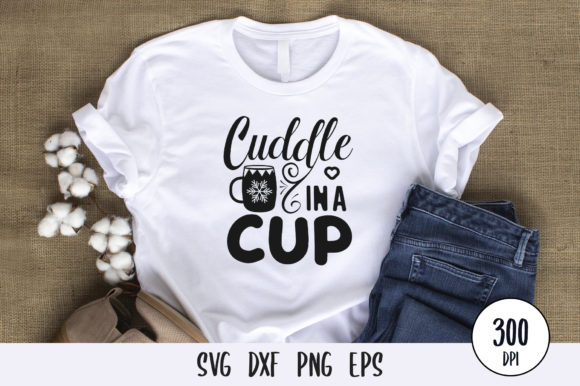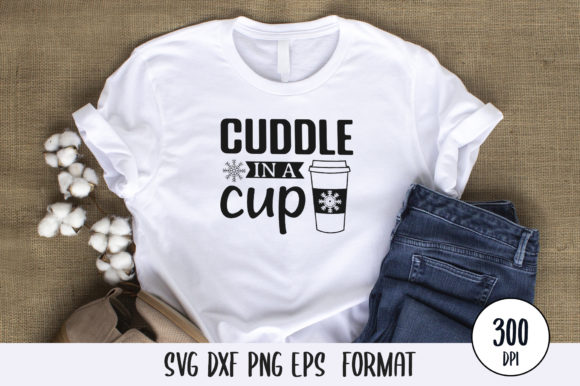
Cuddle in a Cup, Hot Cocoa SVG Design
Last week a small shop owner asked me to prepare a batch of holiday sweatshirts that would sell as cozy gifts. She wanted something adorable, a little whimsical, and completely winter-ready. I pulled up the Cuddle in a Cup, Hot Cocoa SVG Design and knew it would work — but I also knew I had to test it the way I test every design before it hits my embroidery machine. This isn’t just a cute graphic. It’s a layout that needs to translate well into thread, fabric, and real customer expectations.
First Look: The Cozy Mood That Sells
Right away, the design gives off a soft, hygge feeling. The cup shape, the steam swirls, and the little marshmallow details create a sense of warmth that’s immediate. It’s not overly complex, which is a good thing when you’re staring at a hoop and thinking about stitch count. The visual personality is friendly, almost storybook-like, and that makes it perfect for handmade products that rely on emotional appeal. If you’re selling on Etsy or at a craft fair, this is the kind of image that makes someone stop and smile — and then click “add to cart.”
As a designer, I pay attention to how a graphic will scale when converted into a machine embroidery design. The lines are clean, the shapes are distinct, and there’s enough negative space to keep the sewout from feeling heavy. The steam swirls could be done with a delicate running stitch or light satin stitch, while the cup itself might work best with a tactile fill stitch to give it weight. The marshmallows? Those are the kind of detail that make a person lean in, and they beg for a tiny bit of puff or a soft off-white thread that stands out against the cocoa brown.
Where This Design Truly Belongs
I tested the Cuddle in a Cup, Hot Cocoa SVG Design on a few different blanks, and a few placements immediately stood out as natural fits. A cozy crewneck sweatshirt in a heathered oatmeal color was the clear winner. The design, centered on the chest, looked like it had always belonged there. Because the shape is a contained cup, it doesn’t sprawl awkwardly across side seams, which is a huge plus for quick production work.
Other uses that made sense:
- Tote bags — especially canvas ones with a natural texture. The design becomes a quiet, charming statement.
- Kitchen towels — a small embroidered corner version makes a great hostess gift or holiday market item.
- Baby onesies — scaled down and stitched softly, it reads as pure comfort. Just be mindful of stretchy fabric.
- Pillow covers — a single large placement or a repeating pattern of the cup can turn a basic throw pillow into seasonal decor.
- Aprons — near the chest pocket or on the bib, it adds personality without overwhelming the garment.
- Patches — if you finish the edge with a tight satin stitch, you can create a standalone embroidered patch that sells as a small impulse buy.
I also considered using it for personalized gifts — imagine adding a name or a short date under the cup in a simple script. That small addition instantly raises the product’s value and makes it boutique-level. For digital product sellers, the SVG file itself can be used in printable mockups, sublimation previews, or even as part of a bundled design asset pack. Because it’s a Graphics file listed under T-Shirt Designs, it’s flexible enough to be repurposed across multiple product types without losing its charm.
How It Performs in Real Stitching
Here’s the honest part. Not every SVG graphic stitches out of the box. You’ll need to convert it into an embroidery file — and that conversion step is where the design either shines or gives you trouble. The Cuddle in a Cup, Hot Cocoa SVG Design has a thoughtful layout that digitizes well. The shapes are not riddled with tiny, unnecessary nodes, and the overall composition avoids the trap of being too busy. When I digitized it, I could assign distinct thread colors easily: a warm brown for the cocoa, a creamy white for the cup interior and marshmallows, and a soft blue or teal for the cup itself. The steam swirls allowed me to play with a slightly lighter thread weight, which added texture without adding bulk.
Stitch density matters. I kept the fill on the cup moderate — enough to feel substantial but not so dense that it puckered cotton fabric. A test on a dark fabric (a deep navy sweatshirt) reminded me that thread color contrast is everything. The cocoa brown needed to be brightened just a shade so it didn’t disappear into the background. On lighter fabrics, the design popped with almost no adjustments.
One note: the steam swirls, if digitized too heavily, can become thick and stiff. I recommend a single or double running stitch for those, or a very narrow satin stitch. The marshmallows, on the other hand, can handle a little more density because they’re small and isolated. They’ll wear well and resist fraying even after multiple washes if you lock the stitches properly.
Where to Be Extra Careful
I won’t recommend this design for every single surface. It’s important to know the limits, especially if you’re selling finished products.
- Small hoop sizes — below 4x4 inches, the steam details and marshmallows become very tight. Detail can get lost, and thread breaks become more likely. I’d keep the design at least 4x4, and ideally larger.
- Stretchy fabrics — like performance tees or thin jerseys. Without the right cut-away stabilizer, the cup can distort after washing. Always baste a test piece first.
- Curved surfaces like caps — the cup’s wide base doesn’t conform perfectly to a cap’s front panel without warping. If you must use it on a hat, consider a smaller, simplified version or be prepared for more hooping finesse.
- Tiny lettering — if you add text, keep it simple and test your stitch path. The original SVG doesn’t include text, so any added words are your responsibility to digitize carefully.
- Frequent washing — items like kitchen towels or baby bibs will see a lot of laundry. I’d use polyester thread for durability and a soft backing to prevent scratching.
These aren’t dealbreakers; they’re just real-world considerations that separate a professional product from a risky one. When I’m working on craft business orders, I’d rather catch a problem on a test swatch than on a customer’s paid order.
How the Design Shapes Customer Perception
There’s a quiet power in a design that looks hand-drawn and gentle. The Cuddle in a Cup, Hot Cocoa SVG Design makes the finished product feel more expensive, more thoughtful. It signals that the maker cared about the little things — the curve of a steam swirl, the placement of a marshmallow. That emotional layer builds customer trust and encourages repeat sales. When someone buys a sweatshirt or a tote with this design, they’re not just buying a garment; they’re buying a feeling of comfort. And that’s exactly what you want in a holiday embroidery piece or a personalized gift.
For Etsy sellers and small shop product creators, this design photographs beautifully. The low-contrast, cozy aesthetic looks great in flat lays, styled mockups, and even video clips. It’s easy to brand around a theme of warmth, and that consistency helps your shop stand out. I’ve noticed that designs with this kind of relatable, everyday coziness tend to have longer listing lifespans — they don’t just sell in December; they carry into January and February when people still crave comfort.
Practical Design Notes Before You Stitch
If you’re planning to use the Cuddle in a Cup, Hot Cocoa SVG Design for a commercial embroidery project, here’s what I’d put on my own checklist:
- Always test the design on a scrap of the exact fabric you’ll use. Thread color can shift dramatically between a white cotton swatch and a heather gray sweatshirt.
- Check the stitch density in your digitizing software. Too dense in the cup base, and you’ll get puckering. Too light, and the fabric shows through.
- Confirm hoop size before you start. The design should sit comfortably with at least a half-inch margin on all sides to avoid hoop burn.
- Inspect the small details: the steam tips, the marshmallow edges. Zoom in until you can see each individual stitch path and make sure there are no weird jumps.
- Test the design in a black-and-white mockup. This reveals whether the contrast is strong enough to read clearly without color.
- Compare the look on light and dark backgrounds. The mood changes, and what looks sweet on cream might look muddy on charcoal.
- Use a proper stabilizer. For sweatshirts, a medium-weight cutaway is my go-to. For tote bags, a tear-away with a light topper works well.
- Check licensing. The product description states this is a digital download, not a physical product. Make sure you’re allowed to use the finished embroidery on items you sell. If the license isn’t clear, reach out to the designer before you list anything.
As a digital embroidery file workflow, you’ll need to open the SVG in a vector program (like Inkscape, Silhouette Studio, or CorelDRAW) and then import it into your embroidery software. The file is clean and well-organized, so that step is smooth. Just remember that the SVG is the starting point, not the stitch-ready file. How you digitize it will determine the final quality far more than the original graphic does.
Is It Worth Adding to Your Collection?
For me, the answer is a solid yes. The Cuddle in a Cup, Hot Cocoa SVG Design fills a niche that’s always in demand: cozy, versatile, and emotionally engaging. It’s not trying to be trendy or flashy, and that’s exactly why it works across so many products. Whether you’re making a single embroidered patch for a friend, crafting a line of baby embroidery onesies, or building a custom apparel brand around slow-living aesthetics, this design earns its place in your library. It’s the kind of graphic that makes you want to brew a cup of tea, sit down at your machine, and create something that feels genuinely warm.